Turn videos into clips that pay.
Paste a YouTube link. Get 10 unique short clips ready to post.


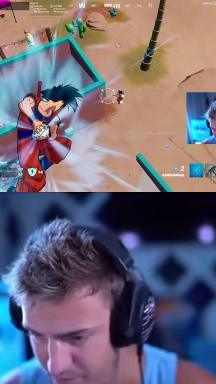







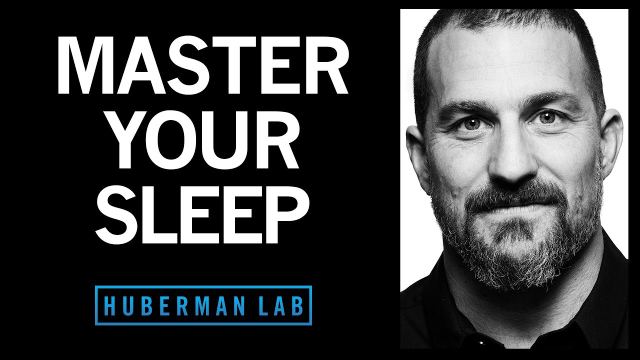
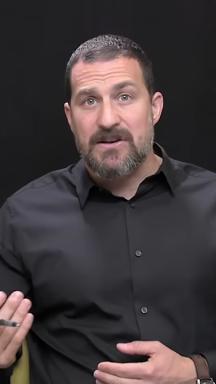
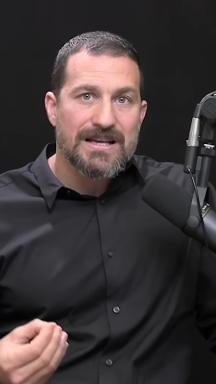
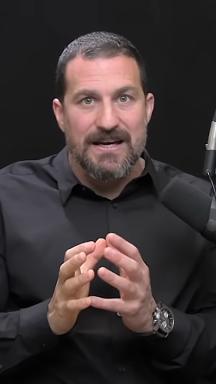
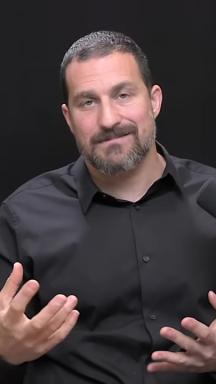
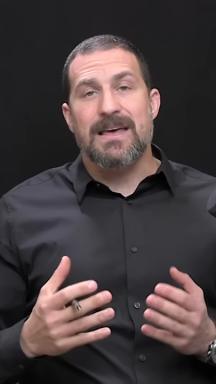

How it works
Three steps, and you only do one.
Paste it, walk away, post what you like.
Paste the link
Your podcast, your stream, your talk. Or upload the file. Nothing to install.
Clippen watches the whole thing
It keeps the moments that stand on their own — the ones you would have gone hunting for by hand.
Post what you like
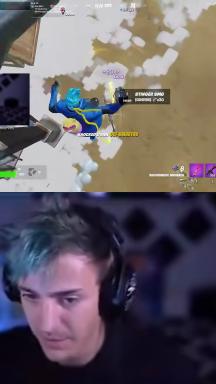
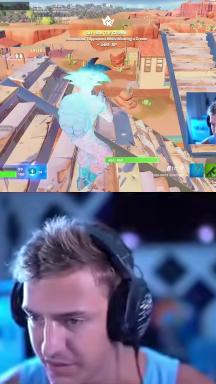
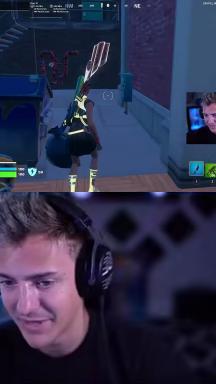
Vertical, captioned, hook already on. Download them, or post to TikTok, Reels and Shorts from the dashboard.
With Clippen, your clips rank and your accounts stay safe.
Every clip is rewritten — new framing, captions, pacing — while clips from other tools can get flagged and shadowbanned.
From people using it
What changes on the first week.
10 min/day
“Ten minutes a day is my entire content job now. The rest is Clippen.”
5 platforms
“One upload goes out to five platforms, each in the right ratio. I stopped re-exporting.”
Week 1
“First week in, two clips broke 100k. I'd been posting for months with nothing.”
FAQ
The questions people ask before they paste a link.
How many clips do I get from one video?
about 10 from any recording long enough to hold them, each 15 to 60 seconds long, at 1080×1920. A six-minute talk and a two-hour episode both aim for the same number. You do not sit and watch it: the job runs server-side and the clips are waiting when you come back.
What do I get back?
Finished vertical clips with captions burned in and a hook on top, ready to upload as they are. No editing needed, and nothing to learn: you can still re-cut, restyle or reframe any clip you disagree with.
Are the clips unique, or copies of the source?
Not copies. Each clip is recomposed to 9:16 around whoever is speaking and carries its own captions burned in, so it does not match the source frame for frame and two clips from one video do not match each other.
Can I paste a YouTube link, or do I have to upload the file?
Either. A link to a video you own or have the right to use, or the file from your machine. Podcasts, streams, webinars and talks are what it is built for.
Is there a free plan?
No, and there is no trial. Paid, from $11.66 a month billed annually, or $19.99 month to month. Credits are charged per minute of source video, not per clip. You see what a run will cost before it spends anything.